3 Experts Analyze Thai Real Estate Trends for 2026: 'Warehouses, Hotels, and Data Centers' on the Rise
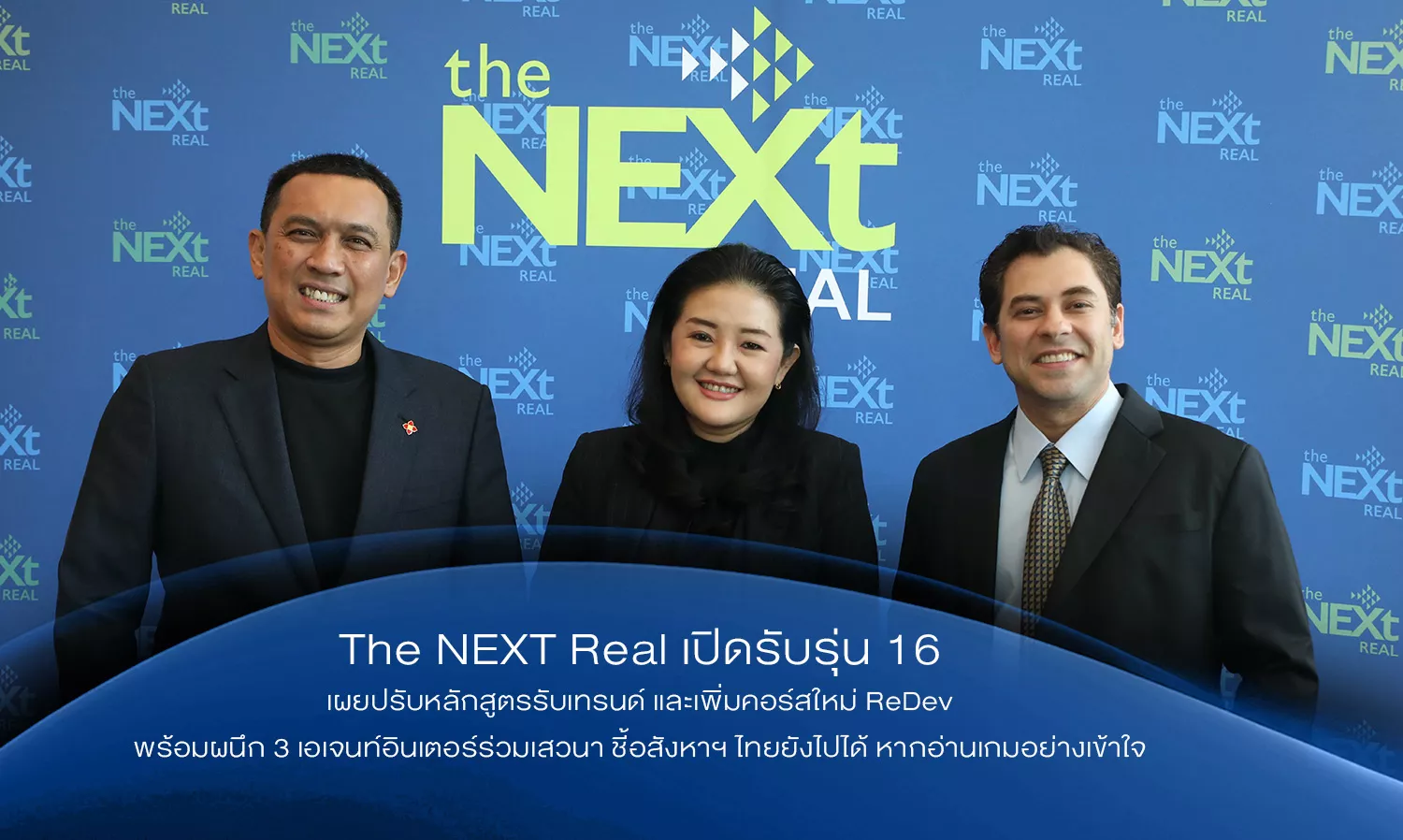
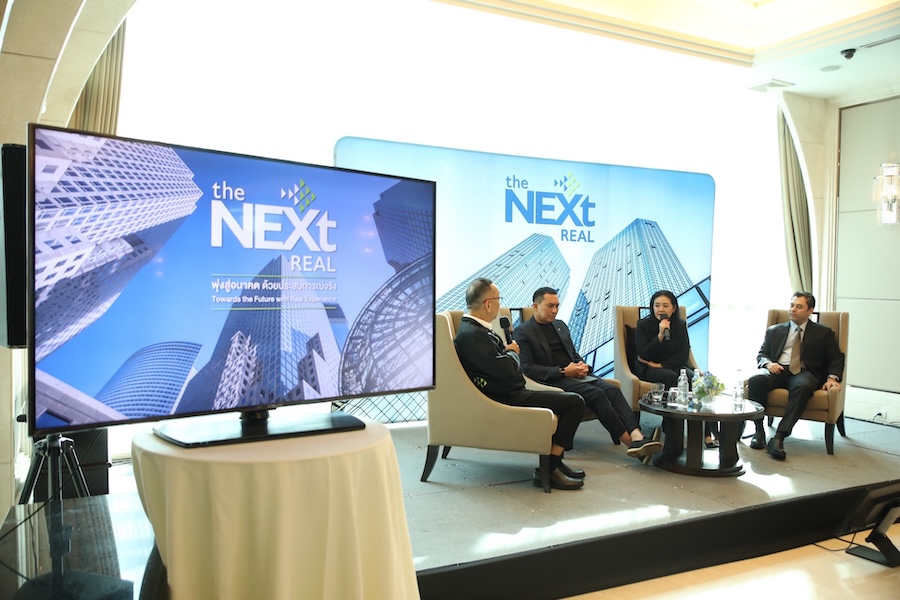
Amid challenges from the global economy and geopolitical issues, the Thai real estate market in 2026 may not be a 'bull market across the board', but it will see growth in certain sectors, particularly those linked to industry, logistics, tourism, and technology. On the occasion of the 10th anniversary of the 'The NEXT Real' program, Mr. Burisuth Kasinpila, co-founder and program director, discussed market trends and projections for 2026 with three international real estate experts from Knight Frank Chartered (Thailand) Ltd., CBRE (Thailand) Ltd., and Jones Lang LaSalle (Thailand) Ltd., covering six main real estate sectors: residential, industrial and warehouse, office and retail, hotels, data centers, and land.
- 'Factories and Warehouses' Built to Order: A Meeting Point for Supply and Demand
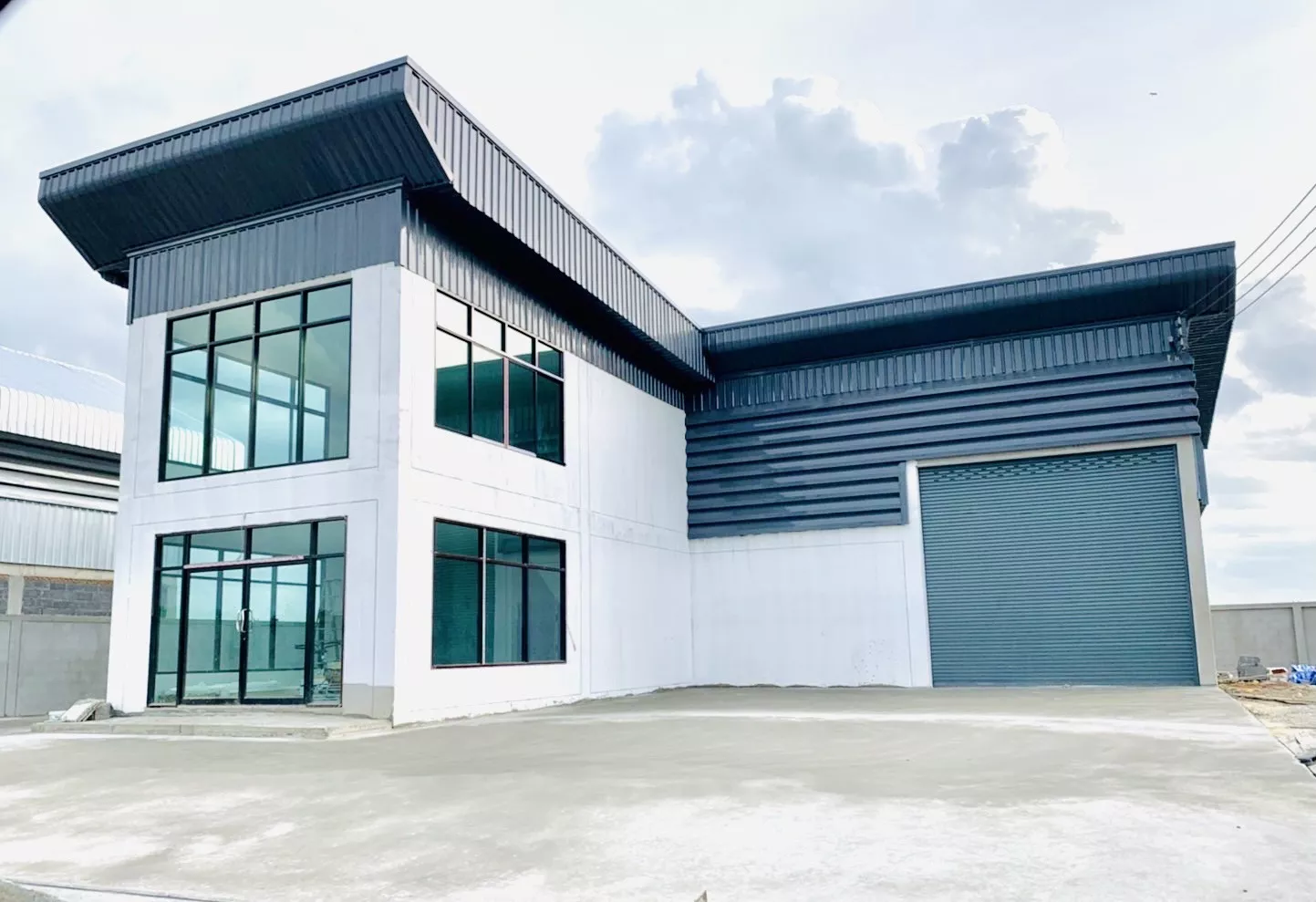
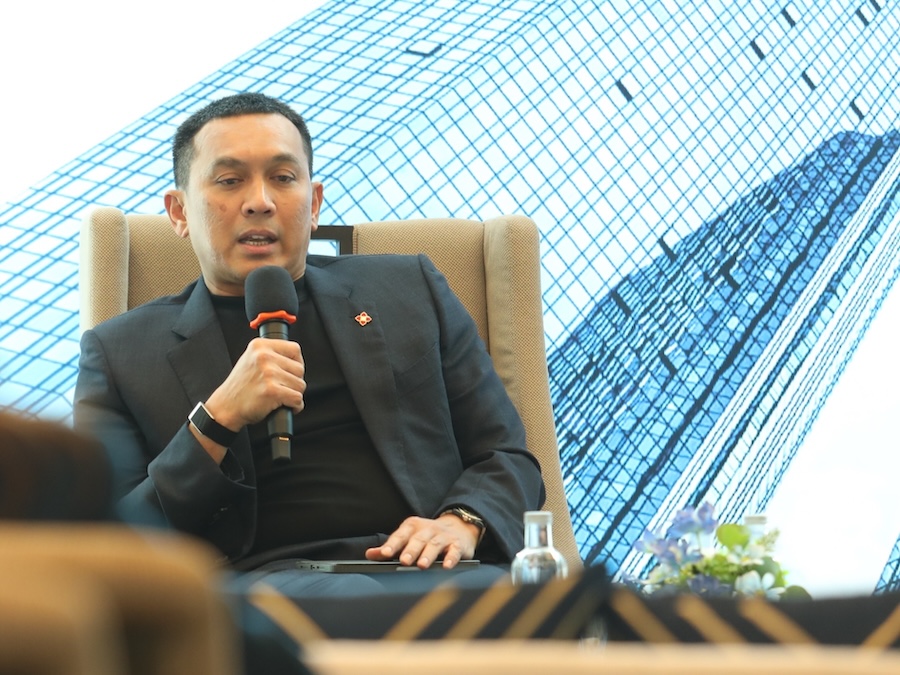
Mr. Nattha Khahapana, Managing Director of Knight Frank Chartered (Thailand) Ltd. stated that investment opportunities in real estate this year focus on two main areas: 1. Industrial real estate, including factories, warehouses, and industrial land, and 2. The rental office market. The 'warehouse market' in Thailand has seen continuous growth over the past two years, with total space increasing by 1.2% to approximately 6.5 million square meters. Occupied space rose by 0.4% to 5.58 million square meters, while the rental rate slightly decreased by 0.7%, with an average rent of 161.5 baht per square meter per month, still reflecting a growth of 0.9%, indicating the market's strength. Investments in warehouses are concentrated in three main locations: Bangna-Trad Road, the Sai Noi area in Nonthaburi, Phra Nakhon Si Ayutthaya, Pathum Thani, and the EEC area (Chonburi, Rayong, Chachoengsao).
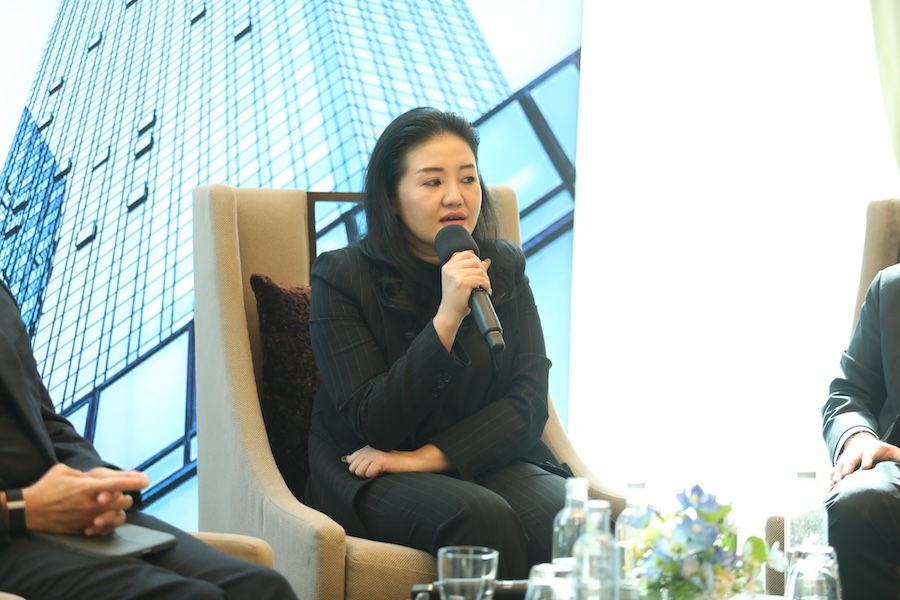
'Warehouse market prices have not fluctuated much and are relatively stable because the investment model differs from the residential market, with development often occurring only after receiving advance rental orders from clients, resulting in a balance between demand and supply,' said Mr. Nattha.
- Unlocking the Treasure of Purple Zone Urban Planning: Industrial Land
The ready-built factory business aligns with warehouse locations in key areas such as Rangsit-Pathum Thani, Wang Noi-Ayutthaya, Bangna-Trad Road, and the EEC, with a total supply of 3.29 million square meters, showing slight growth of 0.3%. The occupied space grew by 2.7%, leading to a rental rate of 98.4% and an average rent of 202.9 baht per square meter per month. Development is based on customer demand, preventing oversupply and making it a source of recurring income that attracts major developers to continue investing. Supply is concentrated in the EEC at 47.7%, followed by Pathum Thani-Ayutthaya at 26.3% and Bangna-Trad at 26.1%. The purple zone urban planning presents significant investment opportunities as it allows for more building development compared to residential land.
- FDI (Foreign Direct Investment): Foreigners Invest Directly in Thailand, 'China and Europe' Compete for Industrial Land
Regarding industrial land, Knight Frank reported that as of the first half of 2023, there was a supply of 186,098 rai with a high occupancy rate of 93.5% and an average price of 6.65 million baht per rai, growing by 5% over five years (2020-2023), reflecting strong demand. The EEC area serves as an investment hub due to benefits and specific laws. Thailand's FDI has reached record highs for two consecutive years, with a total value exceeding a trillion baht, over 80% of which is for factories and warehouses. The risks include competition from Vietnam and the impact of U.S. tax policies, which may slow land absorption in the EEC and pose a challenge for the Thai industrial sector to elevate to high-value products quickly.
- Luxury Homes and Expensive Condos: Advising Phased Development to Reduce Risks
Ms. Pentida Srisawang, Director of CBRE (Thailand) Ltd. stated that 2026 will be a year where project developers and investors must manage the balance between risk and return. Overall, the condominium market, despite prolonged economic slowdown, still sees demand in the luxury to ultra-luxury sector from genuine buyers. The average resale price of luxury condos is 310,131 baht per square meter, growing by 1.3%, while new luxury condos under development average 349,125 baht per square meter, reflecting a significant growth of 9%, indicating strong buying power in the resale market as consumers seek larger units in prime locations but cannot afford the rapidly increasing prices of new projects.

Meanwhile, the luxury home market, which boomed during 2023-2024 due to the Work from Home trend and demand for living space, began to slow down in 2025. The main price range is between 30-70 million baht and over 100 million baht. The psychological impact of economic uncertainty has significantly reduced new supply, with almost no new projects entering the market.

'The recommendation for this year is to manage supply intensively, dividing development into phases to ensure that demand aligns with supply. This is a strategy for adjusting the investment model for luxury homes, with key locations remaining in Phra Khanong, Bangna-Trad, Taling Chan, Salaya, Samut Prakan, Bearing, and Phutthamonthon,' said Ms. Pentida.
- Office and Retail: Supply Still Tight
The rental office market, according to CBRE, indicates that demand remains only for A+ grade offices of small to medium size, ranging from 100-300 square meters. Larger rental spaces over 300 square meters are mostly occupied by large or multinational companies with high bargaining power, leading landlords to offer 5-15% rental discounts. Overall, the market is pressured by new supply and the aftermath of COVID-19, causing the occupancy rate to drop to only 59% from a pre-COVID level of 90%. Although A-grade offices in the CBD area previously had the highest occupancy rate of 95%, the influx of new supply has now reduced the occupancy rate to below 80%.
Retail space in Bangkok has a total supply of 8-9 million square meters, particularly in six key zones, each with over 1 million square meters of supply, including Siam District 337,000 square meters (4 shopping centers), Ratchaprasong 381,000 square meters (4 shopping centers), M District 181,500 square meters (3 shopping centers), Terminal 21 Asoke 40,000 square meters, One Bangkok (Phase 1) 123,000 square meters, and Dusit Central Park 45,000 square meters. This reflects that the office and retail markets are facing pressure from 'oversupply', intensifying competition, and prompting developers to focus on quality, location, and cost management rather than just expanding space.
- 'Data Centers': A Bright Future
The data center market is considered a 'Safe Haven' for real estate in 2026, experiencing significant growth due to the need for large floor areas, high cooling systems, and energy requirements. Data centers consume between 20-40 megawatts per project, significantly more than A-grade offices of 100,000 square meters, which use around 15 megawatts. Currently, Thailand lacks expertise in data center management, leading to investments primarily from foreign operators focusing on development in industrial estates where land acquisition is legally easier. Recently, investments in data centers in Thailand have exceeded 4,470 MW, causing land prices in the EEC area to rise.
- Luxury Hotels Ignite Thailand: Ongoing Surge in Transactions
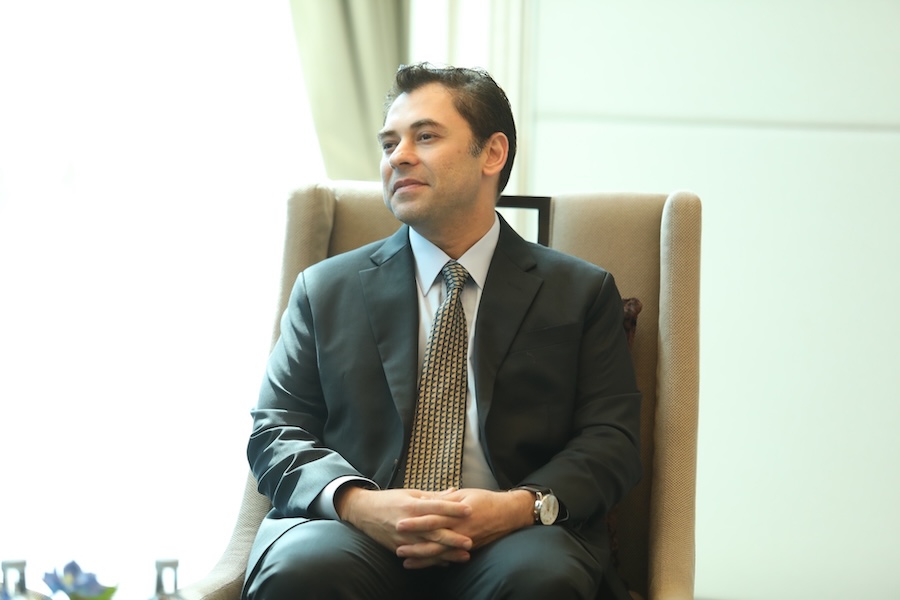
Finally, in the hotel sector, Mr. Karan Kaneyao, Senior Vice President of Investment Services for the Asia-Pacific region at Jones Lang LaSalle (Thailand) Ltd., noted that the overall hotel market in Thailand has been recovering rapidly since the COVID-19 era, with a recovery of 83% by 2026. It is anticipated that 2026 will be a Period of Growth for international tourist arrivals in Thailand, potentially matching the best year in 2024 with a target of 35.5 million international tourists from Russia, India, Malaysia, China, and South Korea.
'Luxury hotels in tourist cities like Bangkok, Phuket, and Samui have rebounded quickly post-COVID-19, with the Average Daily Rate per room sold increasing significantly, reflecting the role of luxury hotels as trendsetters in the market, which in turn boosts mid-scale hotels and helps them recover. According to a JLL survey in 2026 with over 800 hotel owners and managers, hotel revenues are expected to grow by approximately 2-8%, while the luxury market in Thailand is transitioning, with top-tier global hotel brands like Andaz and voco continuously investing,' said Mr. Karan.
- The Next Steps for the Thai Hotel Market
Additionally, there is a trend of 'the secondary market emerging', with investments spreading to other tourist cities, particularly projects that create unique travel experiences or focus on wellness, which are highly attractive if land is already in a potential location. Meanwhile, investments in Branded Residences will play a larger role, such as luxury condos or pool villas that incorporate services under strong hotel brands to enhance service quality and create differentiation. Developers who can attract hotel brands for support will be able to set higher selling prices than the general market. Another trend is the redevelopment of old hotels, especially landmark hotels or former office buildings, into modern hotel formats that better meet market demands.
'The outlook for 2026 includes four key points: 1. The hotel transaction market is expected to remain strong, with an estimated transaction value of 13 billion baht; 2. Room rates still have room for price increases; 3. Anticipating international tourist arrivals to reach 35.5 million; and 4. The luxury landscape will be a turning point that ignites recovery across all sectors,' concluded Mr. Karan.